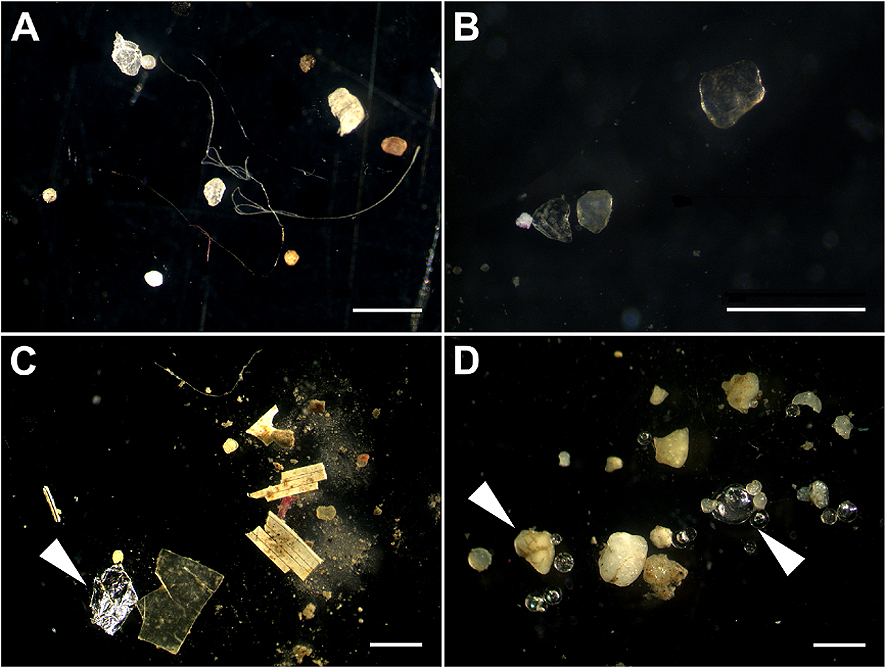
Microplastics found in German river
(Photos from: Wagner et al.: Microplastics in freshwater ecosystems: what we know and what we need to know. In: Environmental Sciences Europe. 26, 2014 via Wikipedia)
A new study points to exercise as being helpful to deal with microplastics:
A New Study Suggests Exercise Could Help Defend Against Plastics
June 3, 2026
At this point, microplastics and nanoplastics have become one of those health topics you almost try not to think about too hard. They’re in bottled water, takeout containers, household dust, seafood, synthetic clothing, and increasingly, inside the human body itself. Researchers have now detected microscopic plastic particles in blood, lungs, placentas, arteries, and multiple organs.
The uncomfortable part is that scientists are still figuring out what all of this actually means for long-term human health. But the list of concerns keeps growing, including inflammation, oxidative stress, hormone disruption, fertility changes, metabolic dysfunction, and even neurological effects.
But, at the same time, researchers are starting to look less at whether we can completely avoid modern environmental stressors and more at what helps the body tolerate them better.
That’s where a new study published in The FASEB Journal gets interesting. Researchers found that moderate aerobic exercise appeared to blunt several harmful effects of nanoplastic exposure in zebrafish, including oxidative stress, hormone disruption, reproductive damage, and anxiety-like behavior. https://www.mindbodygreen.com/articles/new-study-suggests-exercise-could-help-defend-against-microplastics
Let me add that I first learned about the particle exposure from automobile tires in 1991 when I interviewed the first director of the San Joaquin Unified Air Pollution Control District while I was working on my Ph.D. There are many ways that we are exposed to microplastics, but it is interesting that exercise appears to be one way to eliminate them. That actually brings to mind a 1970s telecast that I watched featuring the late Garner Ted Armstrong where he basically pointed out that exercise could eliminate many toxins.
While it does not mention detoxifying from microplastics, the following video does explain that there are many health benefits from exercise:
A 2019 report shows that Americans are becoming sedentary. Since it is a physical thing, should Christians be concerned about exercise? Could not exercising possibly be a sin? What did the ‘Plain Truth’ magazine report about exercise? What is the US CDC reporting about exercise? Can exercise help prevent diabetes, heart disease, and obesity? Can exercise help sleep, endurance, and aging? Are there scriptures about exercise and health? What about laziness? What are some of the risks and benefits of exercise? Dr. Thiel addresses these subjects and more.

Here is a link to our video: The Plain Truth About Exercise.
Regarding other concerns about microplastics, Dr. Joseph Mercola posted the following:
Microplastics and Pharmaceuticals To Be Added to List of US Drinking Water Contaminants
June 1, 2026
- Microplastics and pharmaceutical residues are now officially recognized as widespread contaminants in drinking water, meaning your daily exposure comes from routine habits like drinking tap water and using plastic products
- Federal regulators have shifted from tracking single chemicals to targeting entire groups of contaminants, signaling that water safety now includes substances that were previously overlooked
- Scientists confirm plastic particles accumulate throughout your body, but current tools still struggle to measure how much is present or which types cause the most harm
- New U.S. research efforts are focused on creating tests that measure your personal microplastic burden, giving you a way to track exposure and evaluate whether your reduction interventions are working
- You can lower your exposure immediately by improving your water filtration, reducing plastic use, and limiting unnecessary pharmaceutical intake so less contamination enters your body and the environment each day
For years, concerns about microplastics and pharmaceutical residues in drinking water were treated as fringe worries; the kind of thing that made headlines briefly before fading from public attention. That era is over. Federal agencies are now formally acknowledging that these substances are widespread, difficult to remove, and increasingly present inside the human body. …
The question is no longer whether these contaminants exist in your water and your body; it’s what you can actually do about it. What makes this moment different from previous warnings is the scope of what’s being confirmed. Regulators aren’t flagging a single chemical or an isolated incident; they’re identifying entire categories of contaminants that enter your body through ordinary daily routines: the water you drink, the food you eat, and the products you use. https://articles.mercola.com/sites/articles/archive/2026/06/01/microplastics-pharmaceuticals-drinking-water.aspx?_gl=1*1fbl3l1*_ga*NTk5NzA1NTM0LjE3NDg0OTEzMTk.*_ga_4MC0V1BXBK*czE3ODAzNjQ4ODgkbzkwJGcwJHQxNzgwMzY0ODg4JGo2MCRsMCRoMA..
Although microplastics are seemingly everywhere, avoidance can help.
Not wearing synthetic clothes, trying to avoid water in plastic bottles, not using plastic cutting boards, and even using non-plastic tooth brushes are some steps many can take.
Beyond that, related to some herbs and other foods that may help, here are some comments from a technical paper I recently wrote:
Microplastic and Nanoplastic Detoxification …
By Robert Thiel, Ph.D.
Executive summary: There are major concerns about microplastics and nanoplastics that enter into the human body orally and/or through breathing. Although there is no universally accepted way to detoxify the body of all of them, there are foods such as acerola cherries, fenugreek, ginger, boswellia, turmeric, and others that have been shown to support the reduction of inflammation and may support physiological defenses against oxidative or inflammatory stress associated with microplastic exposure. This is because of their:
Nutrient components (vitamin C, quercetin, saponins),
- Containing of amphiphilic compounds that may form micelle-like structures during digestion,
- Ability to support bile metabolism,
- Ability to support liver and lymphatic detoxification, and
- Ability to prevent and/or remove oxidative damage (which can be an indirect result of plastic ingestion). …
Plastic Issues and Remedies
“Nanoplastics (NPs) as contaminants in food and water have drawn increasing public attention … NPs reduce brain function” [1]. Microplastics and nanoplastics are being implicated in neurological degeneration, negative effects of aging, and other matters. Animal studies have shown these plastics can trigger inflammatory responses [1,2].
Avoidance of all such plastics is basically impossible in the 21st century, but people would be wise to reduce exposure.
Beyond that, while there is no accepted ‘treatment’ for all ingested microplastics or nanoplastics, that does not mean that foods and nutrients from foods cannot be helpful in their removal or with any inflammation they may cause.
Consider that many foods and herbs have historically been used to assist with inflammation [1]. The combination of anti-inflammatory foods found in Turmeric- Boswellia C is something to consider.
Understand that plastics are composed of hydrophobic molecules [3]. It has been shown that amphiphilic block copolymers self-assemble into micelles with a hydrophobic core that can solubilize/encapsulate hydrophobic molecules such as those found in plastics [3].
A micelle is a supramolecular structure formed by amphiphilic molecules — compounds with both a hydrophobic (nonpolar) part and a hydrophilic (polar) part. They spontaneously form spherical (or sometimes cylindrical) aggregates in aqueous solution, with the hydrophobic tails inward and the hydrophilic heads outward. Classic examples include detergents, bile salts, phospholipids, and saponins.
While no foods literally contain amphiphilic micelles in the same structured form found in lab surfactant systems, many foods naturally form micelles during digestion, or contain molecules capable of forming micelles once mixed with bile or water–fat interfaces.
Foods such acerola cherries, fenugreek, ginger, boswellia, and turmeric have often been found to work better together than separately. Furthermore, they do contain molecules that can act amphiphilically and may form micelle-like or colloidal aggregates under certain conditions (especially in water or oil-water mixtures). So, while they don’t contain pre-formed micelles in the same sense as soap or bile, extracts from these plants can self-assemble into micelle-like colloids because of their natural amphiphilic compounds. This may account for the finding that some substances contained within them, like saponins which are in all of them (though most abundant in fenugreek), may influence microplastic aggregation, adsorption, and elimination [4].
Saponins are textbook amphiphilic molecules and form micelles that can encapsulate hydrophobic substances [5,6]—microplastics are hydrophobic substances. Although many microplastic particles are too large to be encapsulated in micelles, nanoplastics certainly can be. Other effects from saponins on larger microplastic particles would likely relate to surface adsorption or changes in aggregation, as opposed to true micelle entrapment.
Although many plastics/polymers are electrically neutral, their surface reactivity and leached chemicals can provoke oxidative stress. Thus, their presence in living organisms can result in oxidative damage [7]. Therefore, antioxidant containing foods (like acerola cherries) can help reduce, as well as “clean up,” some of that damage.
Acerola cherries (Malpighia emarginata DC) are one of the richest natural sources of vitamin C and contain phytonutrients like carotenoids phenolics, anthocyanins, and flavonoids [8]. “The vitamin C produced by acerola is better absorbed by the human organism than synthetic ascorbic acid” [9]. The presence of functional phytochemicals in acerola has been shown to influence the intestinal epithelial cells to increase the cellular uptake of vitamin C as opposed to vitamin C alone [10]. “Acerola…contains bioflavonoids” [11], anthocyanins, and quercetin [12]. An animal study found that “acerola juice reduces low-grade inflammation” [13]. Vitamin C “occurs in the body in the form of ascorbate, known for its strong antioxidant and anti-inflammatory properties” [14]. Not only does vitamin C have free radical scavenging abilities, it also has been shown to increase the antioxidant abilities of some other foods [6]. Vitamin C has been shown to “reduce stress markers and inflammation by neutralizing harmful molecules, activating protective pathways, and regulating autophagy, providing potential protection” associated with microplastics [4]. Curcumin, which is a component of turmeric, tends to improve the anti-inflammatory traits of vitamin C [15]. Studies show that vitamin C can reduce toxicities [16]. Acerola cherries contain both vitamin C and bioflavonoids which work synergistically, whereas one study showed that vitamin C “acts synergistically to protect cutaneous tissue cells in culture against oxidative damage” [16].
An in vitro study performed at Doctors’ Research with a digital ORP meter demonstrated that a citrus food vitamin C has negative ORP, but that ascorbic acid had positive ORP [17]. It is negative ORP which better helps clean up oxidative damage [18]. Since ascorbic acid has positive ORP (as well as positive redox potential [19]), it can never replace food vitamin C. Thus, high vitamin C foods, such as acerola cherries, should be considered when plastic ingestion contributes to free radical damage.
Boswellia gum (Boswellia serrata), also known as frankincense, has been shown to have anti-inflammatory and anti-oxidant properties [20,21]. An animal study it helpful against the effect of toxicants [22]. Boswellia’s anti-inflammatory and anti-oxidant properties may account for its protection against induced toxins [23]. “The gum exudate obtained from the bark of the tree B. serrata, also called Indian olibanum, has been … widely used in various formulations for the treatment of inflammation” [24]. Boswellia contains triterpenoids. Triterpenoids, although themselves highly hydrophobic, can form colloids in the presence of other amphiphilic compounds (e.g., phospholipids or surfactants in extracts) [25]. “For several thousand years (~4000) Boswellia serrata and Curcuma longa have been used in Aryuvedic medicine for treatment of various illnesses … which are mediated through pathways associated with inflammation … The anti-inflammatory effects of boswellic acids and curcumin have translated to … the improvement … as shown in numerous clinical trials” [26]. Other studies have also pointed to the synergistic benefit of combining boswellia and turmeric together [27]. Another paper concluded that boswellia and fenugreek worked well together [28].
“Fenugreek (Trigonella foenum graecum L.) (FG) is a plant … with … anti-inflammatory, anti-oxidant, … effects … evidence supports a role for fenugreek in protecting against … inflammation” [29]. It is approved by German Commission E for inflammation of the skin [20]. It has also been found to be helpful for dealing with toxins and inflammation of the lungs [30]. Fenugreek gum and Boswellia gum have been found to work synergistically [31]. Fenugreek contains quercetin [32]. Fenugreek also contains saponins [20]. Saponins in fenugreek can influence bile acid metabolism and lipid emulsification, which may aid in the detoxification of nanoplastics [33]. Fenugreek saponins, “After oral administration, with gentle stirring in the gastrointestinal fluids, they form micro- or nanoemulsions” [34]. Thus, that could also be why fenugreek can be helpful in detoxifying from nanoparticles substances like plastics.
Ginger rhizome Zingiber officinale has anti-inflammatory effects [20]. “Scientific evidence supports the beneficial properties of ginger, including antioxidant and anti-inflammatory capacities” [35]. “Ginger, a well-known natural product, has been demonstrated to possess antioxidant, anti-inflammatory, … properties” and supports “healthy aging” [36]. “Overall, eight RCTs reported the anti-inflammatory effect of ginger supplementation” [37]. On a totally different note, a randomized double-blind study found health benefits when fenugreek, ginger, and turmeric were combined [38]. An animal study found that ginger looked to help protect against toxic changes caused by a type of plastic [39]. Ginger aids with bile metabolism [40]. Since in vitro research suggests that bile salts potentially appear to assist in aggregation of micro and nano plastics [41], this may represent one pathway by which ginger could influence the processing or aggregation of plastic particles, and thus may be a way ginger assists in the removal of plastics in the body.
“Turmeric (Curcuma longa) is a type of herb belonging to ginger family … Turmeric’s effects on health are generally centered upon an orange-yellow colored, lipophilic polyphenol substance called “curcumin,” which is acquired from the rhizomes of the herb. Curcumin is known to have antioxidant, anti-inflammatory, … effects [42]. “Tutrmeric has antihepatotoxic … and antinflammatory effects“ [20]. Curcuma longa (syn. C. domestica Valeton and C. brog Valeton) is also known as “turmeric” worldwide [43]. “In general, curcumin is beneficial to human health, demonstrating pharmacological activities of anti-inflammation and antioxidation” [44]. Curcumin in combination with boswellic acid is more effective “presumably due to synergistic effects of curcumin and boswellic acid” [45]. Turmeric compounds support “healthy aging” as they have helped prevent cellular damage [46] and may offer protective antioxidant activity against microplastic-induced stress [4]. A study including turmeric, ginger root, vitamin C, and boswellia extracts concluded there was efficacy of the blend [47]. Curcumin can form nanosized colloidal aggregates in aqueous media and in the presence of natural emulsifiers [48], hence that may explain turmeric’s aiding in the expulsion of microplastics.
Scientific research has concluded that the combinations of antioxidants such as vitamin C (which is in acerola cherries), quercetin (which is in acerola cherries and fenugreek) and curcumin (which is in turmeric) have been found to “reduce stress markers and inflammation by neutralizing harmful molecules, activating protective pathways, and regulating autophagy, providing potential protection” associated with microplastics [4].
Based on current scientific literature, ingredients such as turmeric, boswellia, fenugreek, ginger, black pepper, and acerola cherries provide synergistic antioxidant and anti-inflammatory support that may help mitigate some biological effects associated with microplastic exposure.
Various peer-reviewed scientific papers have concluded that combinations of these types of foods have been found to be more effective than many of them alone for things like inflammation and plastic detoxification.
References
[1] Yang Q, et al. Oral feeding of nanoplastics affects brain function of mice by inducing macrophage IL-1 signal in the intestine. Cell Reports, Volume 42, Issue 4, 25 April 2023, 112346
[2] Bianchi M, et al. Biological Effects of Micro-/Nano-Plastics in Macrophages. Nanomaterials 2025, 15(5), 394; https://doi.org/10.3390/nano15050394
[3] Wang D, et al. Polymeric Micelles for the Delivery of Poorly Soluble Drugs: from Nanoformulation to Clinical Approval. Adv Drug Deliv Rev. 2020 Sep 24;156:80–118. doi: 10.1016/j.addr.2020.09.009
[4] Wang Z, et al. Antioxidant Intervention Against Microplastic Hazards. Antioxidants 2025, 14(7), 797
[5] Kim AV, et al. Mechanism of the enhancing effect of glycyrrhizin on nifedipine penetration through a lipid membrane. J Mol Liq. 2021 Dec 15:344:117759. doi: 10.1016/j.molliq.2021.117759
[6] Zhang J, et al. Saponin-Based Near-Infrared Nanoparticles with Aggregation-Induced Emission Behavior: Enhancing Cell Compatibility and Permeability. ACS Appl Bio Mater. 2019 Feb 18;2(2):943-951. doi: 10.1021/acsabm.8b00812
[7] Rui J. Exposure to Polypropylene Microplastics via Oral Ingestion Induces Colonic Apoptosis and Intestinal Barrier Damage through Oxidative Stress and Inflammation in Mice. Toxics. 2023 Jan 28;11(2):127. doi: 10.3390/toxics11020127
[8] Prakesh A, Baskaran R. Acerola, an untapped functional superfruit: a review on latest frontiers. J Food Sci Technol. 2018 Sep; 55(9): 3373–3384
[9] Assis SAD, Fernandes FP, Martins ABG, Oliveira OMMDF. Acerola: importance, culture conditions, production and biochemical aspects. Fruits. 2008;63(2):93–101; also published by Cambridge Press
[10] Takino Y, et al. Acerola (Malpighia emarginata DC.) Promotes Ascorbic Acid Uptake into Human Intestinal Caco-2 Cells via Enhancing the Gene Expression of Sodium-Dependent Vitamin C Transporter 1. J Nutr Sci Vitaminol (Tokyo). 2020;66(4):296-299
[11] Hwang J, Hodis HN, Sevanian A. Soy and alfalfa phytoestrogen extracts become potent low-density lipoprotein antioxidants in the presence of acerola cherry extract. J Agric Food Chem. 2001;49(1):308-314
[12] Hanamura T, Mayama C, Aoki H, Hirayama Y, Shimizu M. Antihyperglycemic effect of polyphenols from Acerola (Malpighia emarginata DC.) fruit. Biosci Biotechnol Biochem. 2006 Aug;70(8):1813-20
[13] Dias FM, et al. Acerola (Malpighia emarginata DC.) juice intake protects against alterations to proteins involved in inflammatory and lipolysis pathways in the adipose tissue of obese mice fed a cafeteria diet. Lipids Health Dis. 2014; 13: 24
[14] Gegotek G, Skrzydlewska E.Antioxidative and Anti-Inflammatory Activity of Ascorbic Acid. Antioxidants (Basel). 2022 Oct; 11(10): 1993
[15] Chen L, et al. A Novel Combination of Vitamin C, Curcumin and Glycyrrhizic Acid Potentially Regulates Immune and Inflammatory Response Associated with Coronavirus Infections: A Perspective from System Biology Analysis. Nutrients. 2020 Apr; 12(4): 1193
[16] Hendler SS, Rorvik D. Pdr for Nutritional Supplementd, 2nd edition. Thomson Reuters, 2008
[17] Thiel R. ORP Study on Food Vitamin C for Food Research LLC. Doctors’ Research Inc., Arroyo Grande (CA), February 17, 2006
[18] Fowkes SW. Antioxidants & reduction. Smart Life News, 2000;7(9):6-8
[19] Budvari S, et al editors. The Merck Index: An encyclopedia of Chemicals, Drugs, and Biologicals, 12th ed. Merck Research Laboratories, Whitehouse Station (NJ), 1996
[20] Gruenwald J, Brendler T, Jaenicke C, editors. PDR for Herbal Medicines, 4th ed. Thomson, Montvale (NJ), 2007
[21] Beghelli D, et al. Antioxidant and Ex Vivo Immune System Regulatory Properties of Boswellia serrata Extracts. Oxid Med Cell Longev. 2017; 2017: 7468064
[22] Alyahya A, Asad M. Repeated 28-DAY oral dose study on Boswellia sacra oleo gum resin extract for testicular toxicity in rats. J Ethnopharmacol. 2020 Aug 10:258:112890. doi: 10.1016/j.jep.2020.112890
[23] Rahimi VB, et al. Boswellia serrata inhibits LPS-induced cardiotoxicity in H9c2 cells: Investigating role of anti-inflammatory and antioxidant effects. Toxicon. 2023 Jun 15:229:107132. doi: 10.1016/j.toxicon.2023.107132
[24] Almeida-da-Silva CL, et al. Effects of Frankincense Compounds on Infection, Inflammation, and Oral Health. Molecules. 2022 Jul; 27(13): 4174
[25] Cometa S, et al. Effectiveness of gellan gum scaffolds loaded with Boswellia serrata extract for in-situ modulation of pro-inflammatory pathways affecting cartilage healing. Int J Biol Macromol. 2024 Oct;277(Pt 1):134079. doi: 10.1016/j.ijbiomac.2024.134079
[26] Septhi V. Potential complementary and/or synergistic effects of curcumin and boswellic acids for management of osteoarthritis. Ther Adv Musculoskelet Dis. 2022; 14
[27] Bannuru RR, et al. Efficacy of Curcumin and Boswellia for Knee Osteoarthritis: Systematic Review and Meta-Analysis. Semin Arthritis Rheum. 2018 Dec; 48(3): 416–429
[28] Chattopadhyay K, et al. Effectiveness and Safety of Ayurvedic Medicines in Type 2 Diabetes Mellitus Management: A Systematic Review and Meta-Analysis. Front Pharmacol. 2022 Jun 8;13:821810
[29] Knott EJ, et al. Fenugreek supplementation during high-fat feeding improves specific markers of metabolic health. Sci Rep. 2017; 7: 12770
[30] Abdrabouh A. Inflammatory and proapoptotic effects of inhaling gasoline fumes on the lung and ameliorative effects of fenugreek seeds. Sci Rep. 2022; 12: 14446
[31] Kumar RV, Sinha VR. A novel synergistic galactomannan-based unit dosage form for sustained release of acarbose. AAPS PharmSciTech . 2012 Mar;13(1):262-75
[32] Drugs and Lactation Database (LactMed®) [Internet]. Bethesda (MD): National Institute of Child Health and Human Development; 2006.2025 Jul 15
[33] Shao Z, et al. Aggregation kinetics of polystyrene nanoplastics in gastric environments: Effects of plastic properties, solution conditions, and gastric constituents. Environment International, Volume 170, December 2022, 107628
[34] Sinka D, et al. Formulation, Characterization and Permeability Studies of Fenugreek (Trigonella foenum-graecum) Containing Self-Emulsifying Drug Delivery System (SEDDS). Molecules. 2022 Apr 29;27(9):2846. doi: 10.3390/molecules27092846
[35] Ballester P, et al. Effect of Ginger on Inflammatory Diseases. Molecules. 2022 Nov; 27(21): 7223
[36] Ozkur M. Ginger for Healthy Ageing: A Systematic Review on Current Evidence of Its Antioxidant, Anti-Inflammatory, and Anticancer Properties.Oxid Med Cell Longev. 2022; 2022: 4748447
[37] Anh NH, et al. Ginger on Human Health: A Comprehensive Systematic Review of 109 Randomized Controlled Trials. Nutrients. 2020 Jan; 12(1): 157
[38] Bumrungpert A, et al. Effects of Fenugreek, Ginger, and Turmeric Supplementation on Human Milk Volume and Nutrient Content in Breastfeeding Mothers: A Randomized Double-Blind Controlled Trial. Breastfeed Med. 2018 Nov 9. doi: 10.1089
[39] Denwer S, et. al. The possible protective effect of ginger extract on toxic changes induced by bisphenol A on the thyroid gland of adult male albino rats: light and electron microscopic study. Ultrastruct Pathol. 2024 Nov;48(6):445-475. doi: 10.1080/01913123.2024.2395849
[40] Yu Y, et al. Dry ginger and Schisandra chinensis modulate intestinal flora and bile acid metabolism to treatment asthma. Front Microbiol. 2025 Mar 27:16:1541335. doi: 10.3389/fmicb.2025.1541335
[41] Shao Z, et al. Aggregation kinetics of polystyrene nanoplastics in gastric environments: Effects of plastic properties, solution conditions, and gastric constituents. Environment International, Volume 170, December 2022, 107628
[42] Kocaadam B, Şanlier N. Curcumin, an active component of turmeric (Curcuma longa), and its effects on health. Crit Rev Food Sci Nutr. 2017 Sep 2;57(13):2889-2895
[43] Dosoky NS, Setzer W. Chemical Composition and Biological Activities of Essential Oils of Curcuma Species. Nutrients. 2018 Sep; 10(9): 1196
[44] Liu S, et al. A Comprehensive Review on the Benefits and Problems of Curcumin with Respect to Human Health. Molecules. 2022 Jul; 27(14): 4400
[45] Haroyan A, et al. Efficacy and safety of curcumin and its combination with boswellic acid in osteoarthritis: a comparative, randomized, double-blind, placebo-controlled study. BMC Complement Altern Med. 2018; 18: 7
[46] Rahman M, et al. Curcuma longa L. Prevents the Loss of β-Tubulin in the Brain and Maintains Healthy Aging in Drosophila melanogaster. Mol Neurobiol. 2022; 59(3): 1819–1835
[47] Bharat TB, et al. Ingredients of a Natural Oral Nutritional Supplement and Their Role in the Treatment of Osteoarthritis. Clin Med Insights Arthritis Musculoskelet Disord. 2022 Mar 25;15:11795441211063365
[48] Moutas S, et al. Curcumin-decorated nanoliposomes with very high affinity for amyloid-β1-42 peptide. Biomaterials. 2011 Feb;32(6):1635-45. doi: 10.1016/j.biomaterials.2010.10.027
So, yes, some herbs and foods may help. And there are others that the above did not mention.
That said, even in the 20th century, more began to be realized about modern chemicals and pollution as the old Worldwide Church of God published the following:

We are dosing the environment with materials that poison virtually everything. Some of these poisons are extremely persistent and are absolutely everywhere!
Changing Climate
One of the main things that we are doing is changing the climate of the planet. We are accelerating climatic changes in all sorts of ways. The climate of the planet depends primarily on the heat balance, the balance between incoming and outgoing solar radiation. Adding carbon dioxide to the atmosphere, which we have been doing at a merry rate since about 1870 ·by burning fossil fuels, tends to warm the entire planet. The average temperature rose considerably until about 1940, and then the trend reversed. We now have a cooling trend which most meteorologists blame on the amount of particulate pollution that has been added to the atmosphere. Pollution is now absolutely world-wide. There has been a 35% increase in the particulate pollution over Mauna Loa, on the Island of Hawaii. There is a veil of pollution that covers the entire planet. (Ehrlich P. Our Environmental Crisis. Plain Truth magazine, June-July 1970)
Now, this does not mean that many have not politicized and even faked climate change data for improper goals. But the reality is that many poisons have affected the environment and are factors in the loss of species–and pollution has become an increasing problem worldwide–with sins of various types being the real cause.
But, it was not supposed to be that way. Notice something from the Book of Genesis
15 Then the LORD God took the man and put him in the garden of Eden to tend and keep it (Genesis 2:15).
The concept of tending and keeping a garden suggests proper environmental stewardship. God made humans to make things better.
Now notice something else about the creation:
24 Then God said, “Let the earth bring forth the living creature according to its kind: cattle and creeping thing and beast of the earth, each according to its kind”; and it was so. 25 And God made the beast of the earth according to its kind, cattle according to its kind, and everything that creeps on the earth according to its kind. And God saw that it was good.
26 Then God said, “Let Us make man in Our image, according to Our likeness; let them have dominion over the fish of the sea, over the birds of the air, and over the cattle, over all the earth and over every creeping thing that creeps on the earth.” 27 So God created man in His own image; in the image of God He created him; male and female He created them. 28 Then God blessed them, and God said to them, “Be fruitful and multiply; fill the earth and subdue it; have dominion over the fish of the sea, over the birds of the air, and over every living thing that moves on the earth.”
29 And God said, “See, I have given you every herb that yields seed which is on the face of all the earth, and every tree whose fruit yields seed; to you it shall be for food. 30 Also, to every beast of the earth, to every bird of the air, and to everything that creeps on the earth, in which there is life, I have given every green herb for food”; and it was so. 31 Then God saw everything that He had made, and indeed it was very good. (Genesis 1:24-31)
People in general, and Christians in particular, should try to pollute less. We should not litter. We should pick up after ourselves. We should try to ensure our plastic trash does not blow into waterways or on the land. We should try to avoid, or minimize, the use of synthetic chemicals where it is feasible. And yes, we can separate trash for recycling, as well as try to reuse items instead of throwing them away and replacing them. We should live as Christian pacifists–human wars have long been a factor in pollution and destruction and this will get worse. We should live as Jesus did and strive not to sin.
International groups fighting pollution normally leave sin and the Bible out of their solutions, but that is a major contributor to pollution of all types. Humans need to live God’s way to correct this, but since they have refused, for about 6,000 years (see also Could God Have a 6,000 Year Plan? What Year Does the 6,000 Years End?), we have increasing pollution and other problems.
The creation is groaning under the weight of sin, but Christians will help restore it:
19 For the earnest expectation of the creation eagerly waits for the revealing of the sons of God. 20 For the creation was subjected to futility, not willingly, but because of Him who subjected it in hope; 21 because the creation itself also will be delivered from the bondage of corruption into the glorious liberty of the children of God. 22 For we know that the whole creation groans and labors with birth pangs together until now. (Romans 8:19-22)
This will happen with the return of Jesus Christ (1 Thessalonians 4:16-18). All things were created through and for Jesus (Colossians 1:15-20). And the world will be purged and a new, unpolluted, earth will be here:
10 But the day of the Lord will come as a thief in the night, in which the heavens will pass away with a great noise, and the elements will melt with fervent heat; both the earth and the works that are in it will be burned up. 11 Therefore, since all these things will be dissolved, what manner of persons ought you to be in holy conduct and godliness, 12 looking for and hastening the coming of the day of God, because of which the heavens will be dissolved, being on fire, and the elements will melt with fervent heat? 13 Nevertheless we, according to His promise, look for new heavens and a new earth in which righteousness dwells. (2 Peter 3:10-13)
Jesus will lead the charge to fix the environmental and other problems that the world is unwilling to properly fix now.
As far whether or not humans will, on their own, solve climate and pollution issues, notice what could be considered as an environmental prophecy:
18 The nations were angry, and Your wrath has come,
And the time of the dead, that they should be judged,
And that You should reward Your servants the prophets and the saints,
And those who fear Your name, small and great,
And should destroy those who destroy the earth (Revelation 11:18).
Thus, God is not pleased when humans abuse the environment.
God will have to intervene or all flesh would be destroyed.
We also have the following microplastic related video:
Microplastic Health Risks
Plastics are all around these days. Are there risks from microplastic and/or nanoplastic particles? Could there be a 4.5 times greater risk of having a stroke because of microplastics? Are there risks of reduced male fertility and cardiovascular issues related to the accumulation of plastics in humans and animals? Where do these small plastic particles come from? How can you reduce your risks? Are nanoplastic particles in water bottled in hard plastic potentially dangerous? What about inhaling toys made of plastic likes ‘Legos’? Are synthetic clothes and even tire dust a health risk? Will humans solve climate and heat matters? What does the Bible say about that? Is a better world coming? Steve Dupuie and Dr. Thiel discuss these matters.
Here is a link to our video: Microplastic Health Risks.
Jesus’s kingdom will be the solution to pollution. Notice what will happen:
3 For the Lord will comfort Zion,
He will comfort all her waste places;
He will make her wilderness like Eden,
And her desert like the garden of the Lord;
Joy and gladness will be found in it,
Thanksgiving and the voice of melody.4 “Listen to Me, My people;
And give ear to Me, O My nation:
For law will proceed from Me,
And I will make My justice rest
As a light of the peoples.
5 My righteousness is near,
My salvation has gone forth,
And My arms will judge the peoples;
The coastlands will wait upon Me,
And on My arm they will trust. (Isaiah 51:3-5)
Yes, a better world is coming. The knowledge of the reality of the Gospel of the Kingdom of God brings hope.
But yes, until then, we face a lot of pollution, from plastics and other chemicals.
Some items of possibly related interest may include:
The Bible, Christians, and the Environment How should Christians view the environment? Does the Bible give any clues? What are some of the effects of air, water, and land pollution? Is environmental pollution a factor in autism and death? Do pollutants seem to double the autism risk? What will Jesus do? Here is a link to a related sermon: Christians and the Environment (there is also a YouTube video available titled Air Pollution, Autism, and Prophecy, one titled Will Pollution lead to the End?, and one called COP 27 and Solving Climate Change).
Christian Health Matters Should Christians be concerned about their health? Does the Bible give any food and health guidelines? Here are links to three related sermons: Let’s Talk About Food, Evil is Affecting the Food Supply, and Let’s Talk About Health.
Is God Calling You? This booklet discusses topics including calling, election, and selection. If God is calling you, how will you respond? Here is are links to related sermons: Christian Election: Is God Calling YOU? and Predestination and Your Selection; here is a message in Spanish: Me Está Llamando Dios Hoy? A short animation is also available: Is God Calling You?
Christian Repentance Do you know what repentance is? Is it really necessary for salvation? Two related sermons about this are also available: Real Repentance and Real Christian Repentance.
About Baptism Should you be baptized? Could baptism be necessary for salvation? Who should baptize and how should it be done? Here is a link to a related sermon: Let’s Talk About Baptism and Baptism, Infants, Fire, & the Second Death.
The Gospel of the Kingdom of God This free online pdf booklet has answers many questions people have about the Gospel of the Kingdom of God and explains why it is the solution to the issues the world is facing. It is available in numerous languages at ccog.org. Here are links to four kingdom-related sermons: The Fantastic Gospel of the Kingdom of God!, The World’s False Gospel, The Gospel of the Kingdom: From the New and Old Testaments, and The Kingdom of God is the Solution.